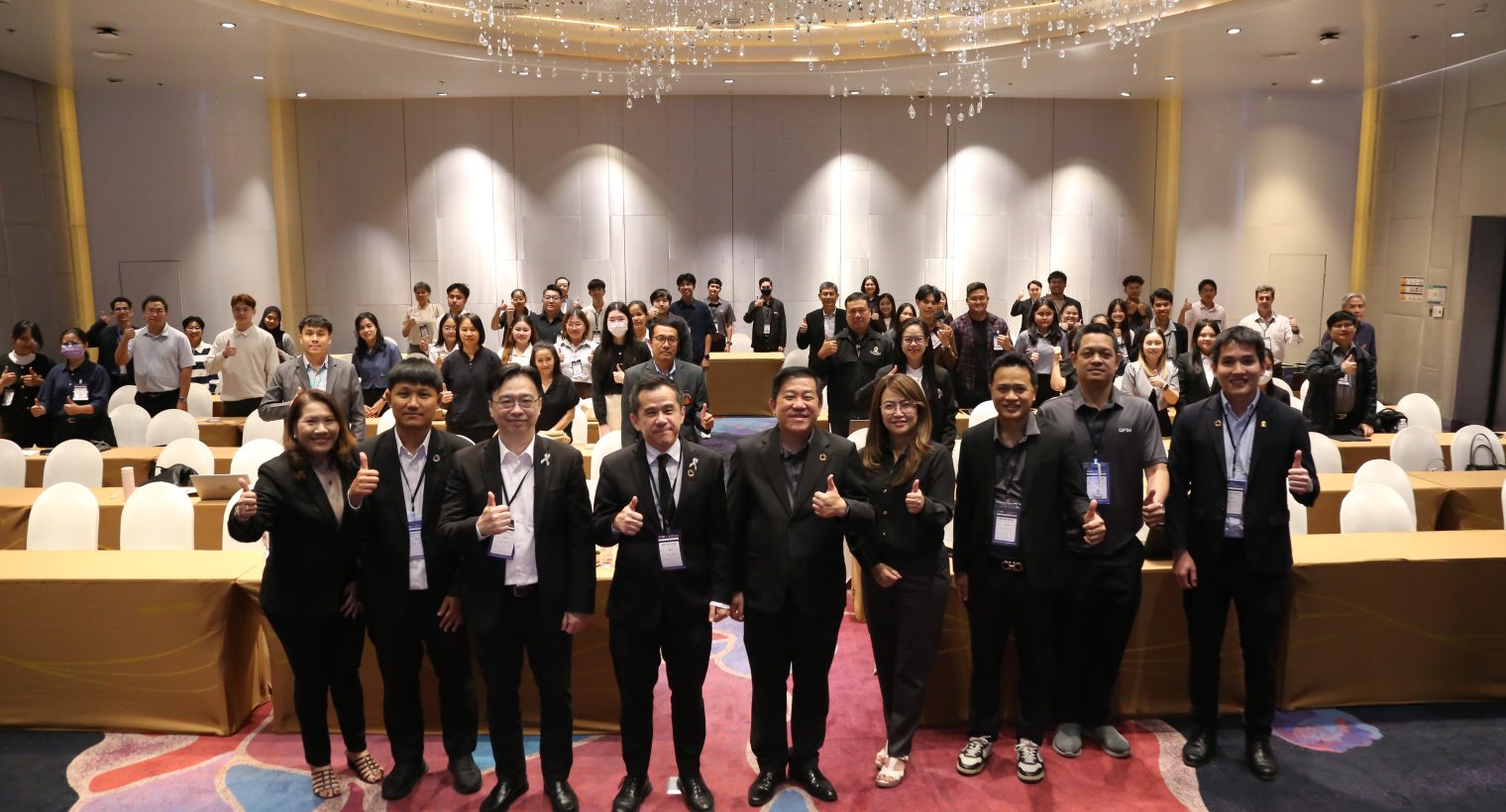
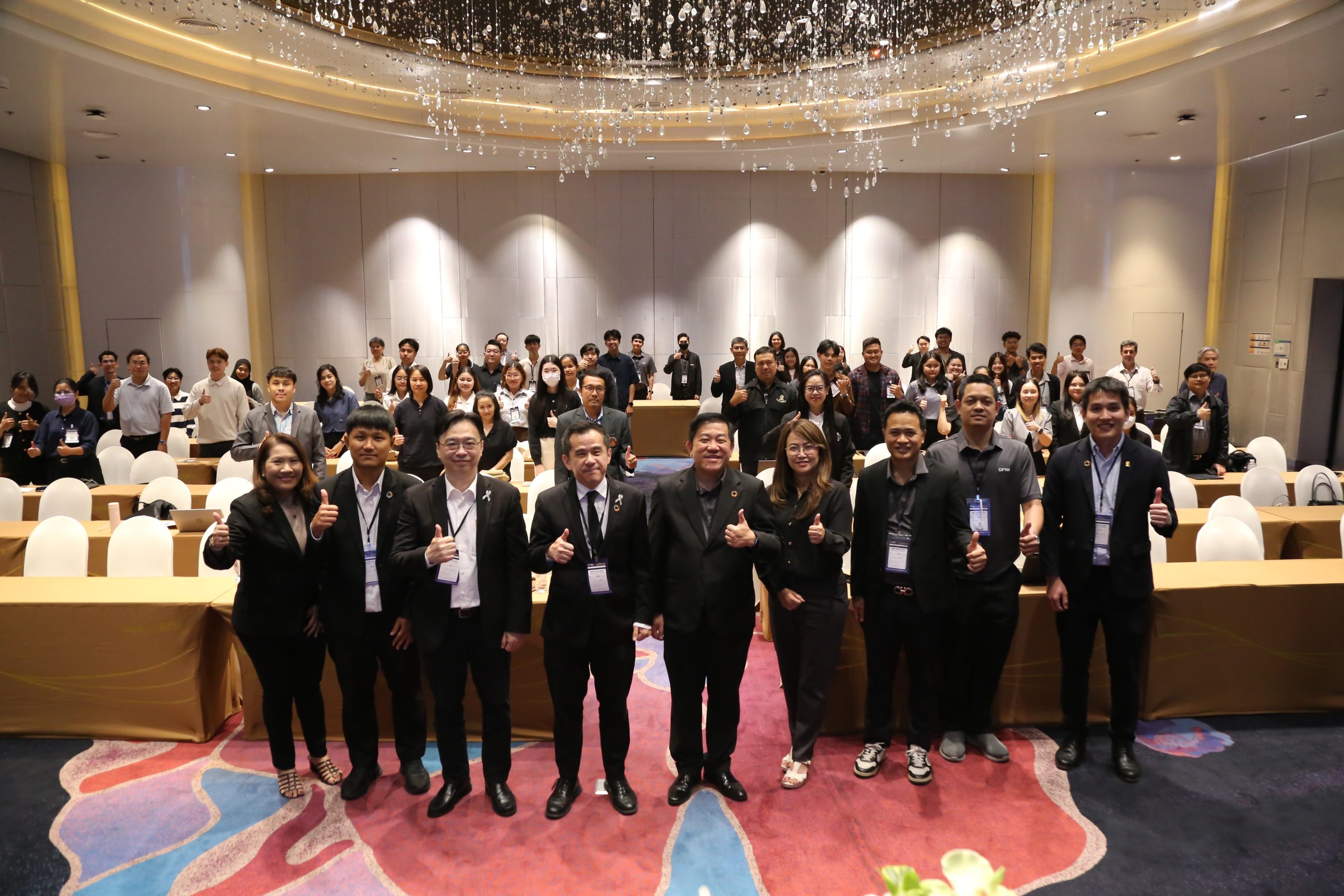
Hub of Talents: Sustainable Materials for Circular Economy (HubSustainMat), in collaboration with PETROMAT, co-organized the seminar “3D Printing Innovation of MOF–Polymer Composite Materials for Carbon Dioxide Capture” at DPIM CE Expo 2026, led by the Department of Primary Industries and Mines of Thailand and The Petroleum and Petrochemical College (PPC), Chulalongkorn University.
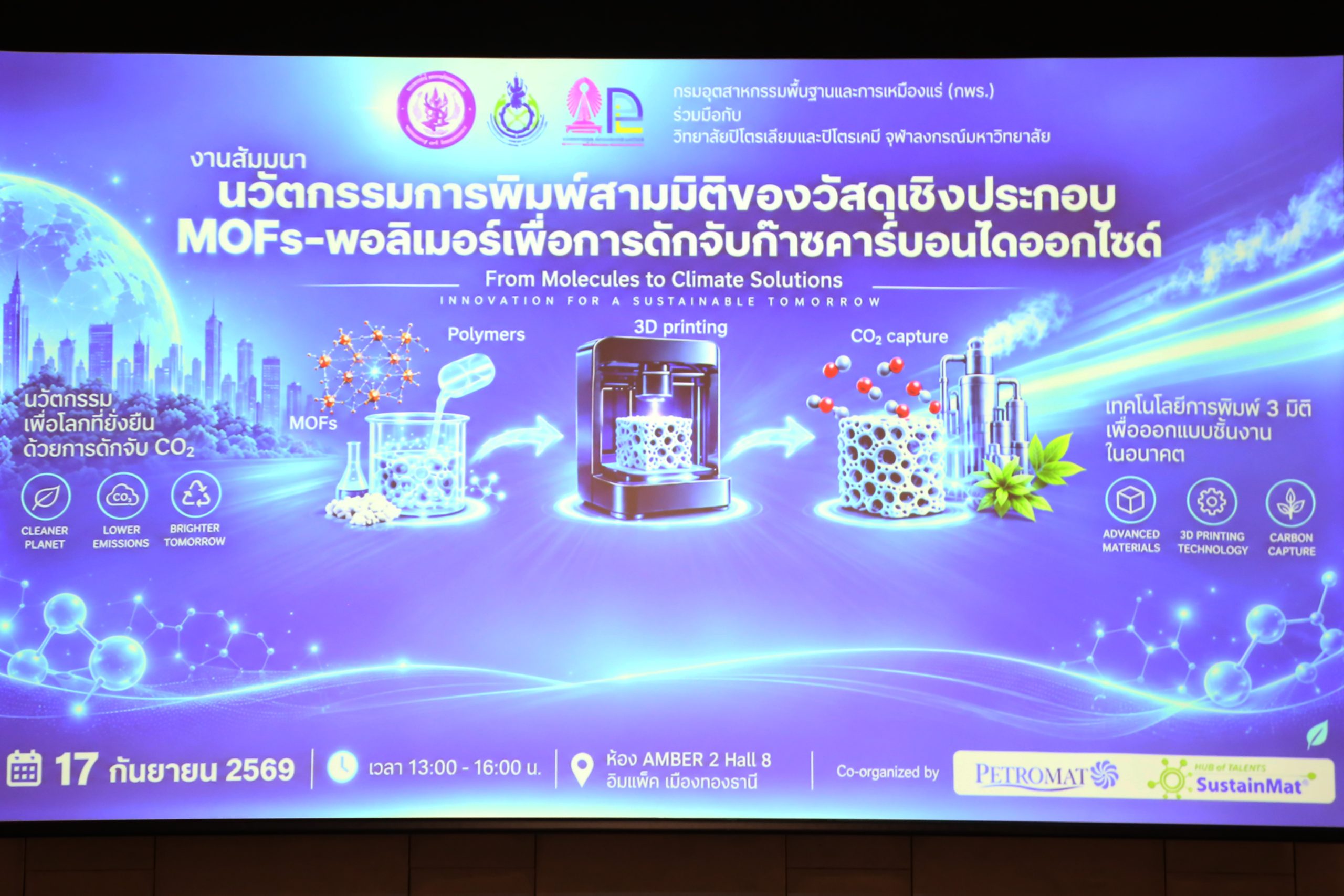
Held on 17 September 2026 at Impact Arena, Bangkok, the seminar highlighted the potential of combining tunable MOFs (Metal–Organic Frameworks) with 3D printing to advance carbon capture technologies toward practical applications.
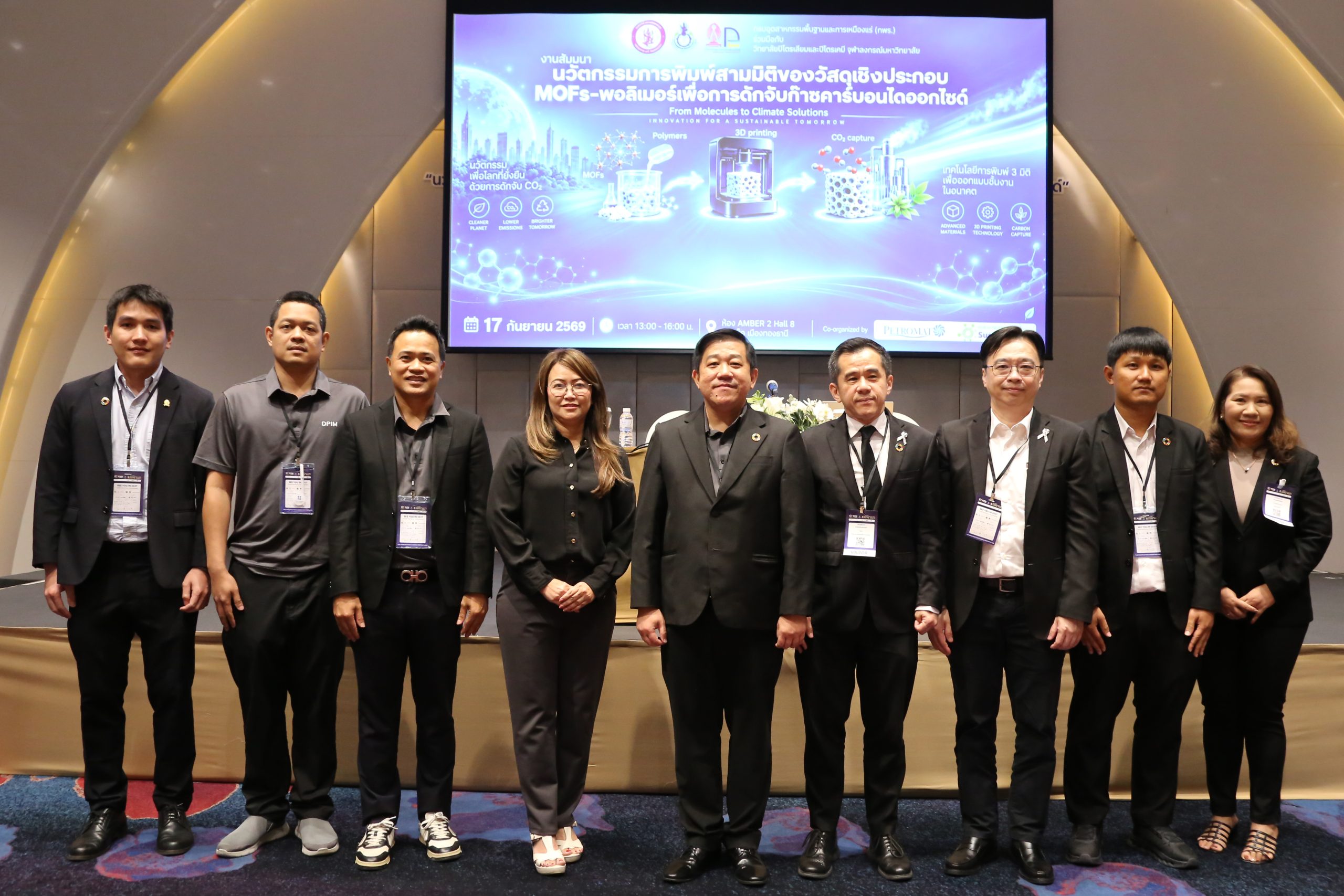
The opening ceremony was presided over by Mr. Kittiphan Bangyikhan, Director of the Division of Innovation on Raw Materials and Primary Industries, Thailand’s Ministry of Industry, with Prof. Hathaikarn Manuspiya, Head of HubSustainMat, delivering the welcome report.
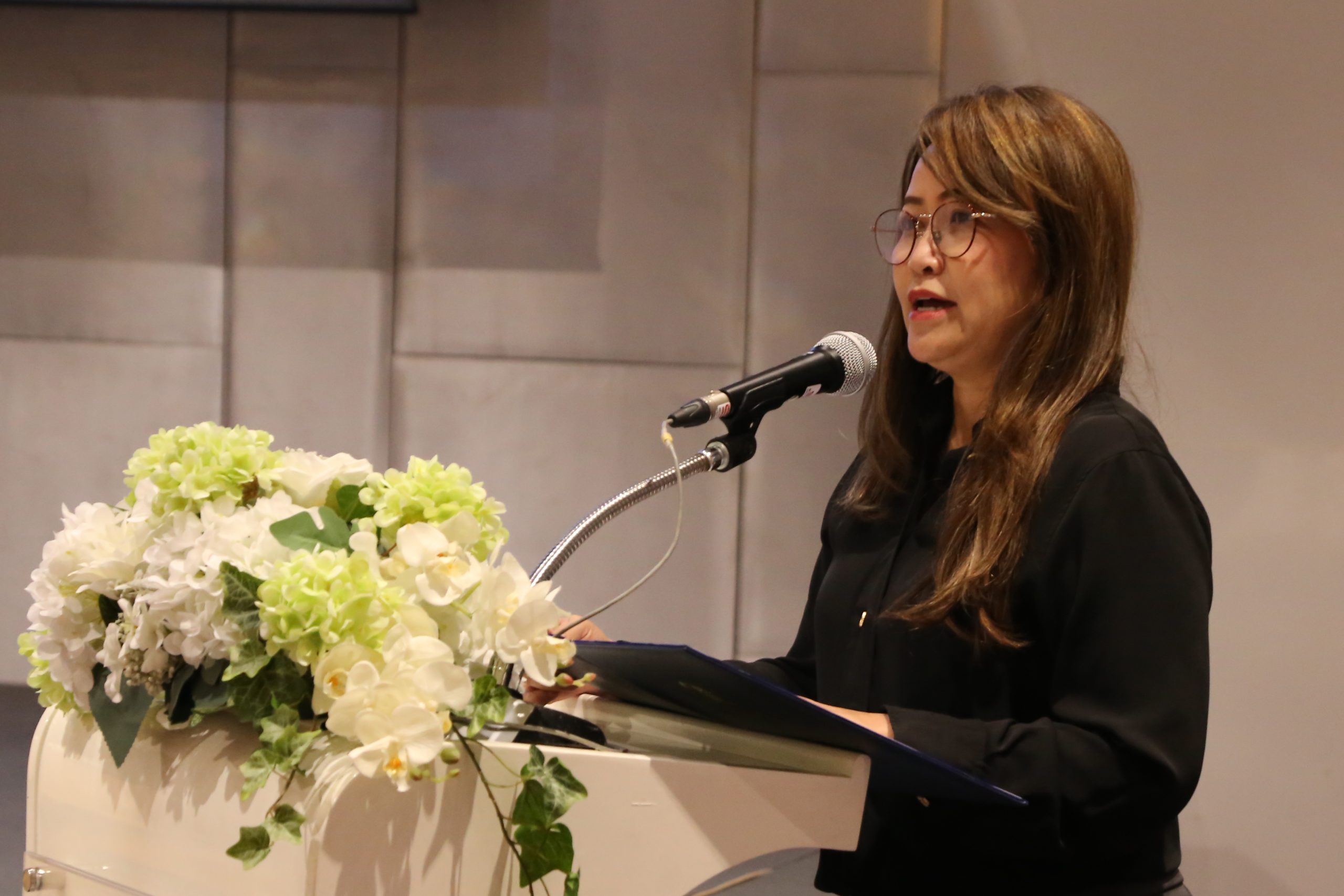
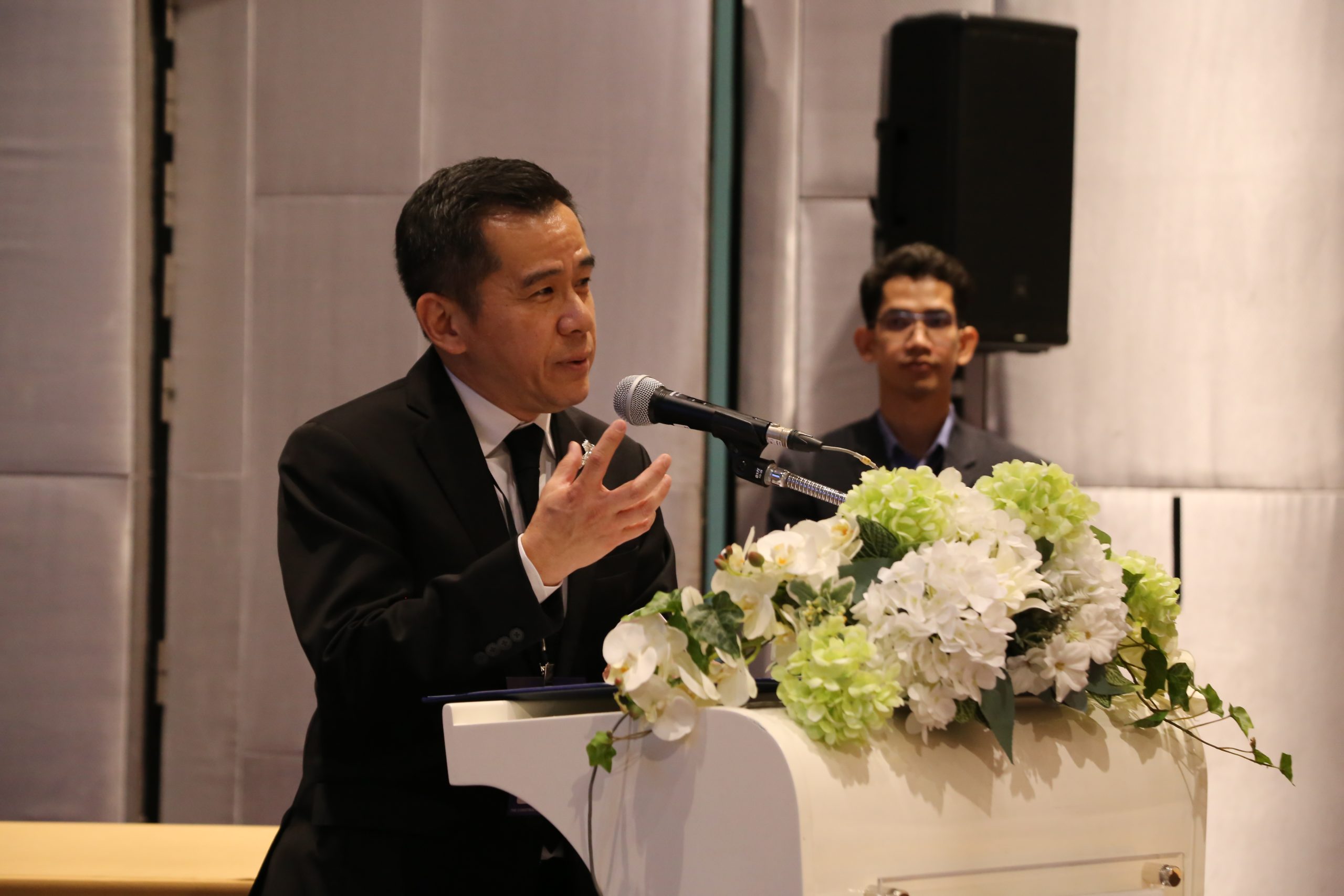
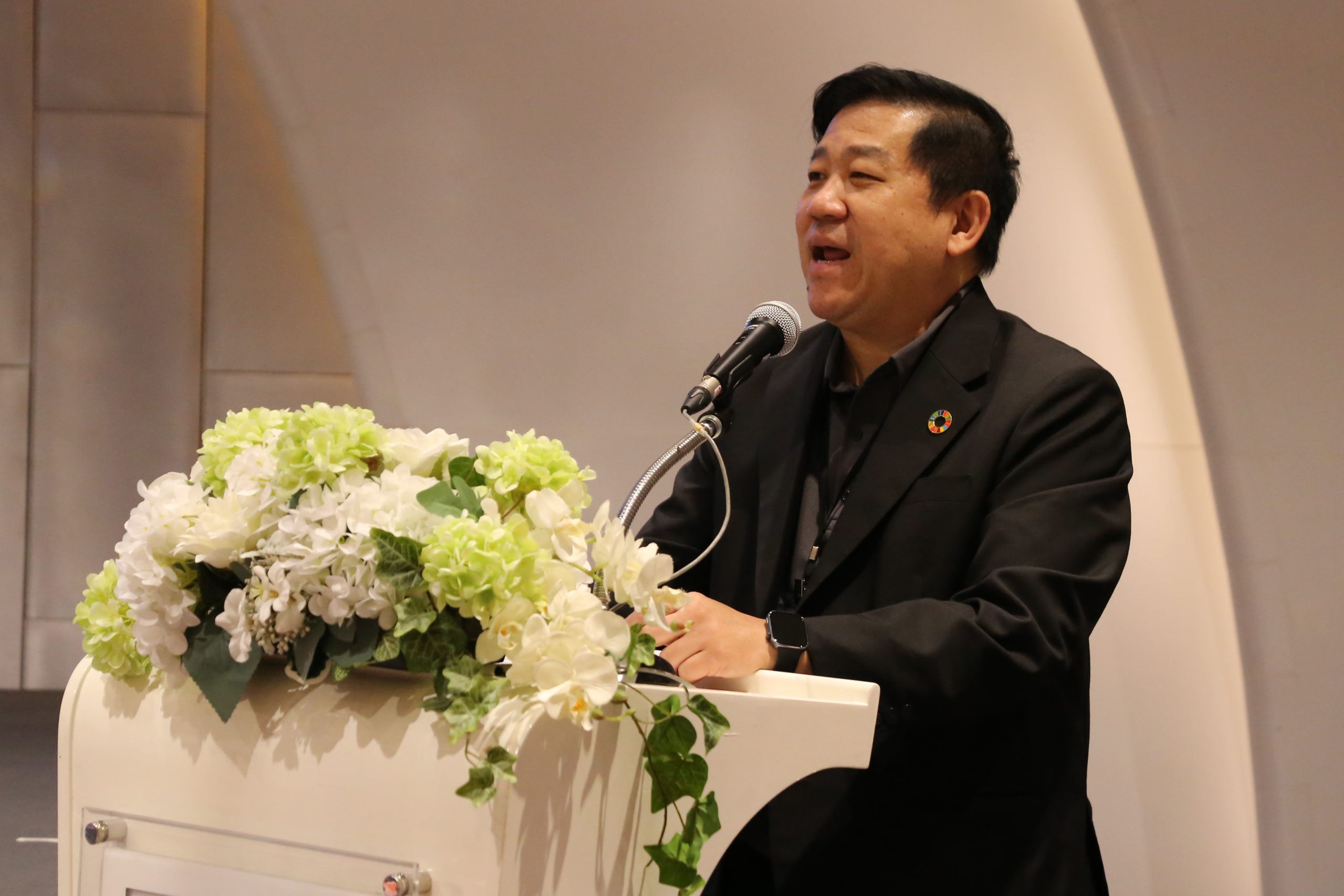
The seminar featured three keynote presentations from the PPC, with Assoc. Prof. Thanyalak Chaisuwan presenting “MOFs Composite for CO2 Capture,” followed by Asst. Prof. Bhumin Than-ardna on “From Molecules to Climate Solutions” and Asst. Prof. Nuttapol Risangud on “The Outlook for 3D Printing Technology in CO2 Adsorption.”
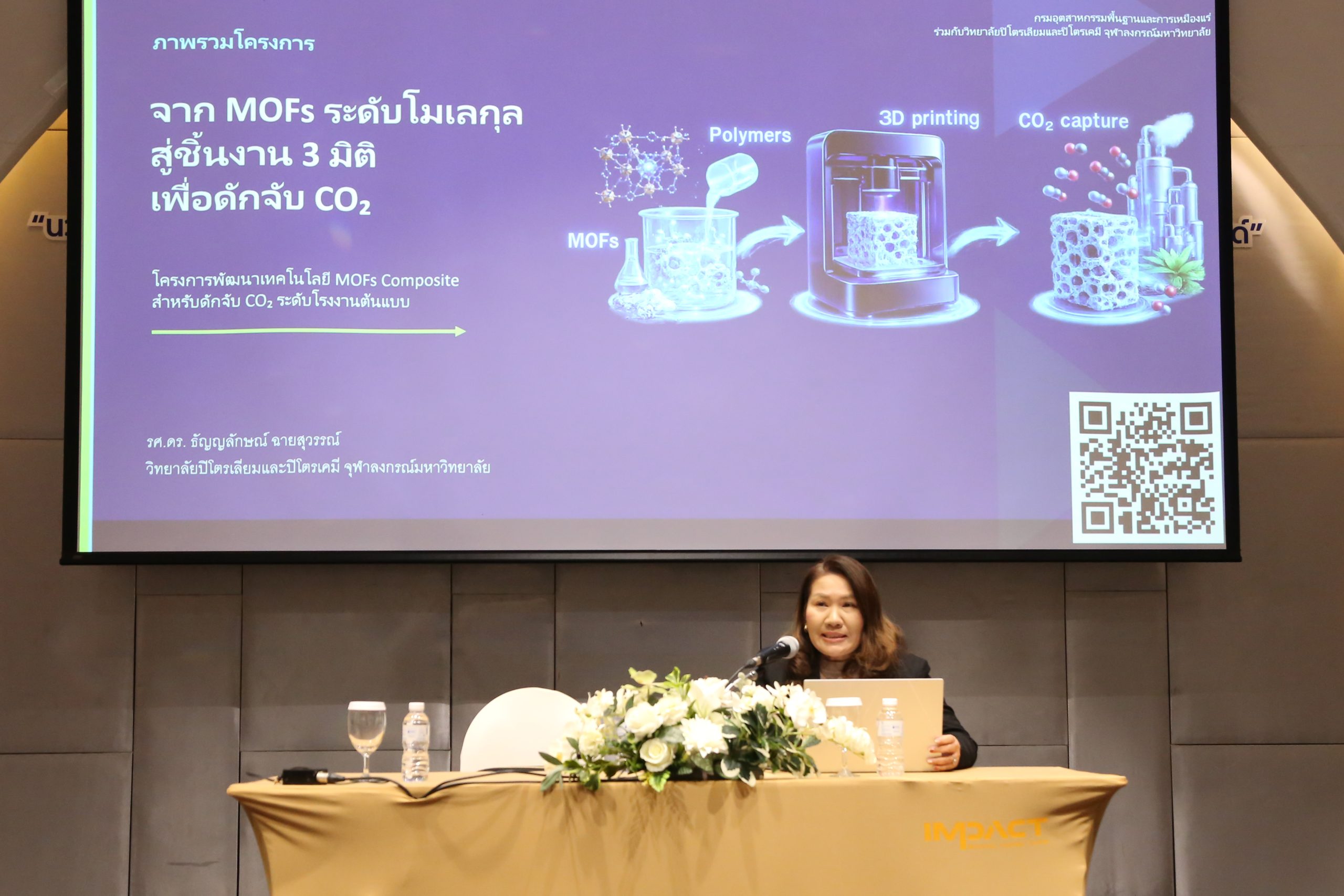
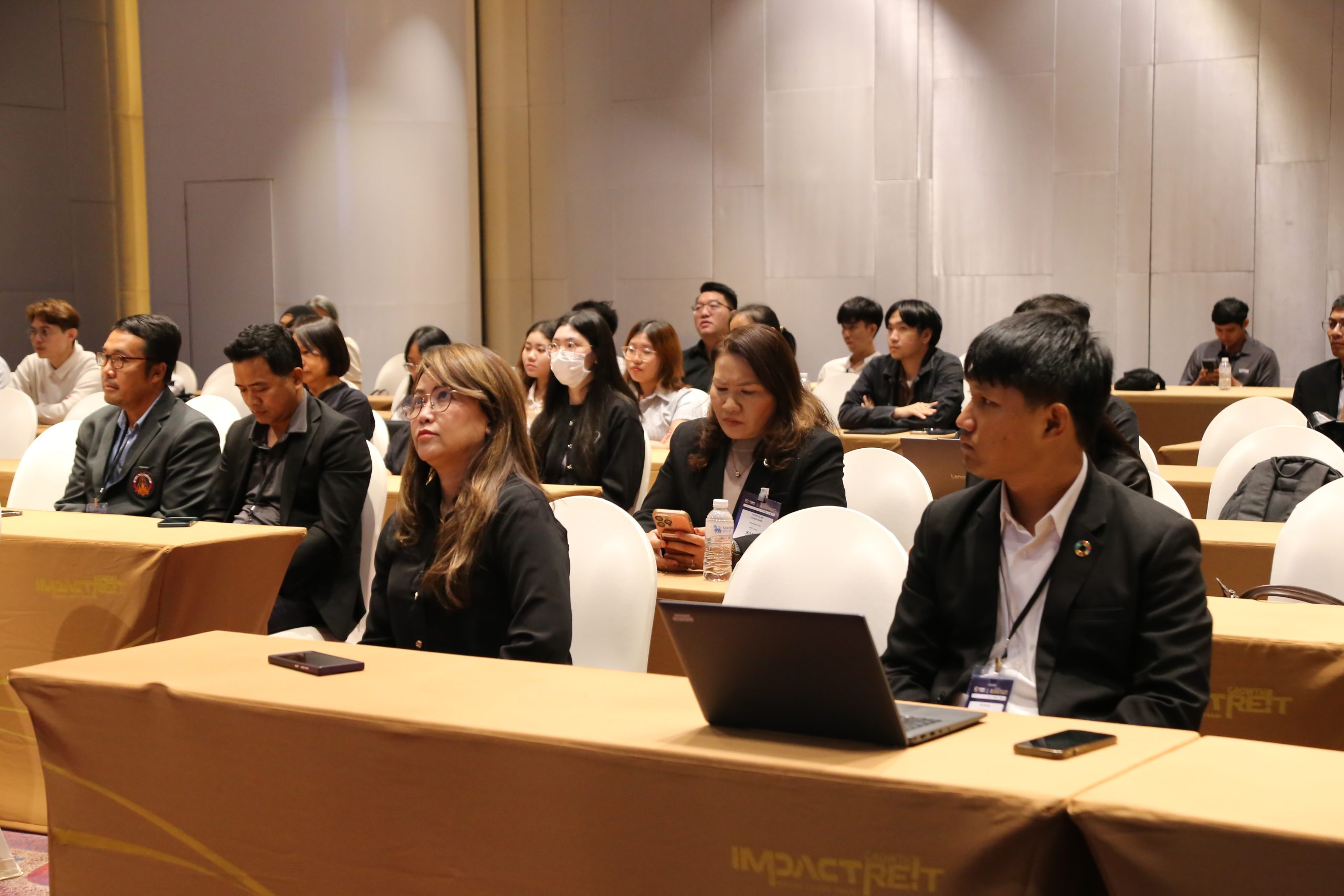
MOFs are promising materials for CO₂ capture due to their highly porous structures, large surface areas, and tunable properties. In their research, selected MOFs were produced as powders and then combined with polymers to enable 3D printing into strong, easy-to-handle structures
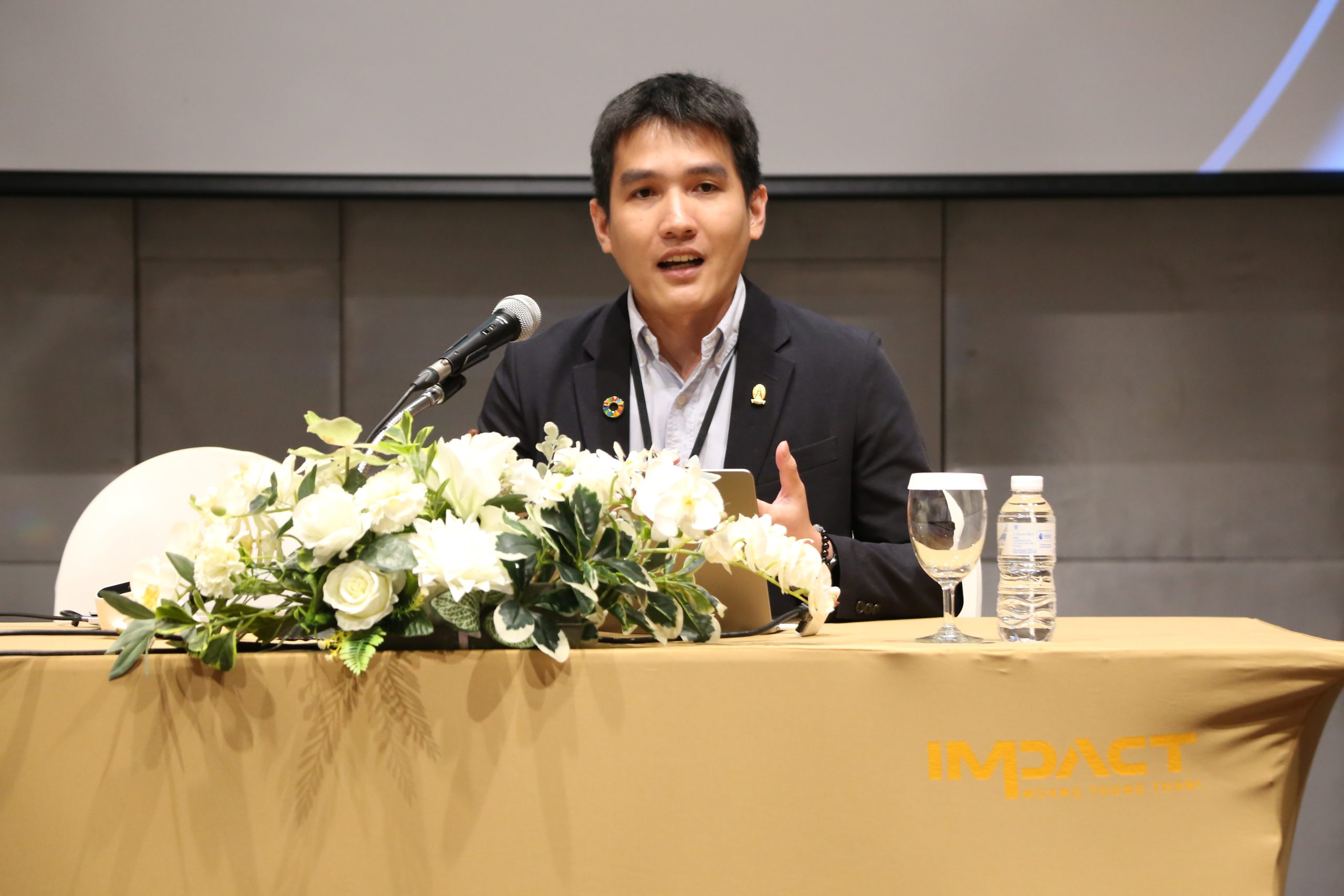
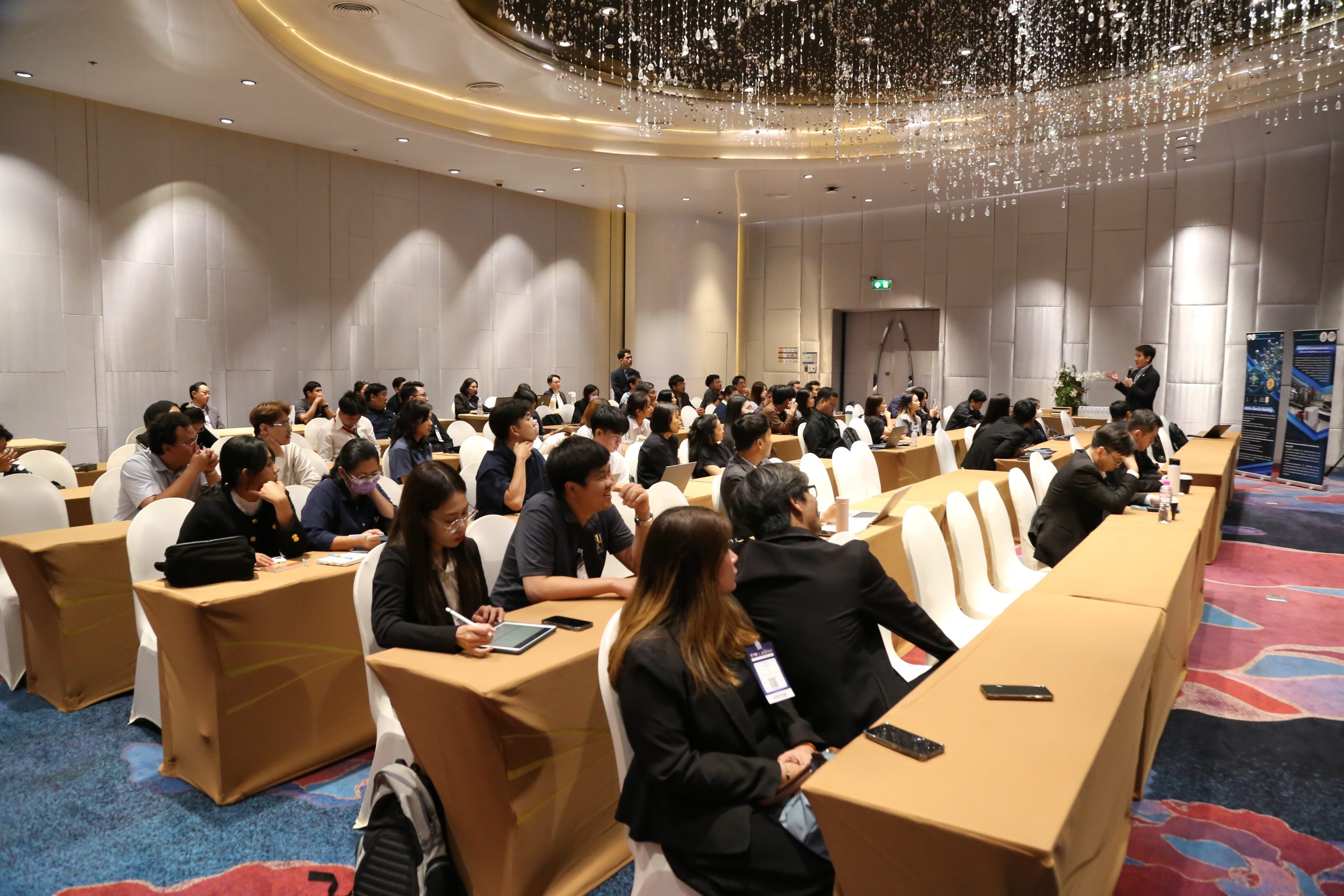
This approach brings together the performance of MOFs with the design flexibility of 3D printing, creating materials that can potentially be manufactured at scale for practical carbon capture applications. The resulting materials are now being tested for prototype development and future real-world use.
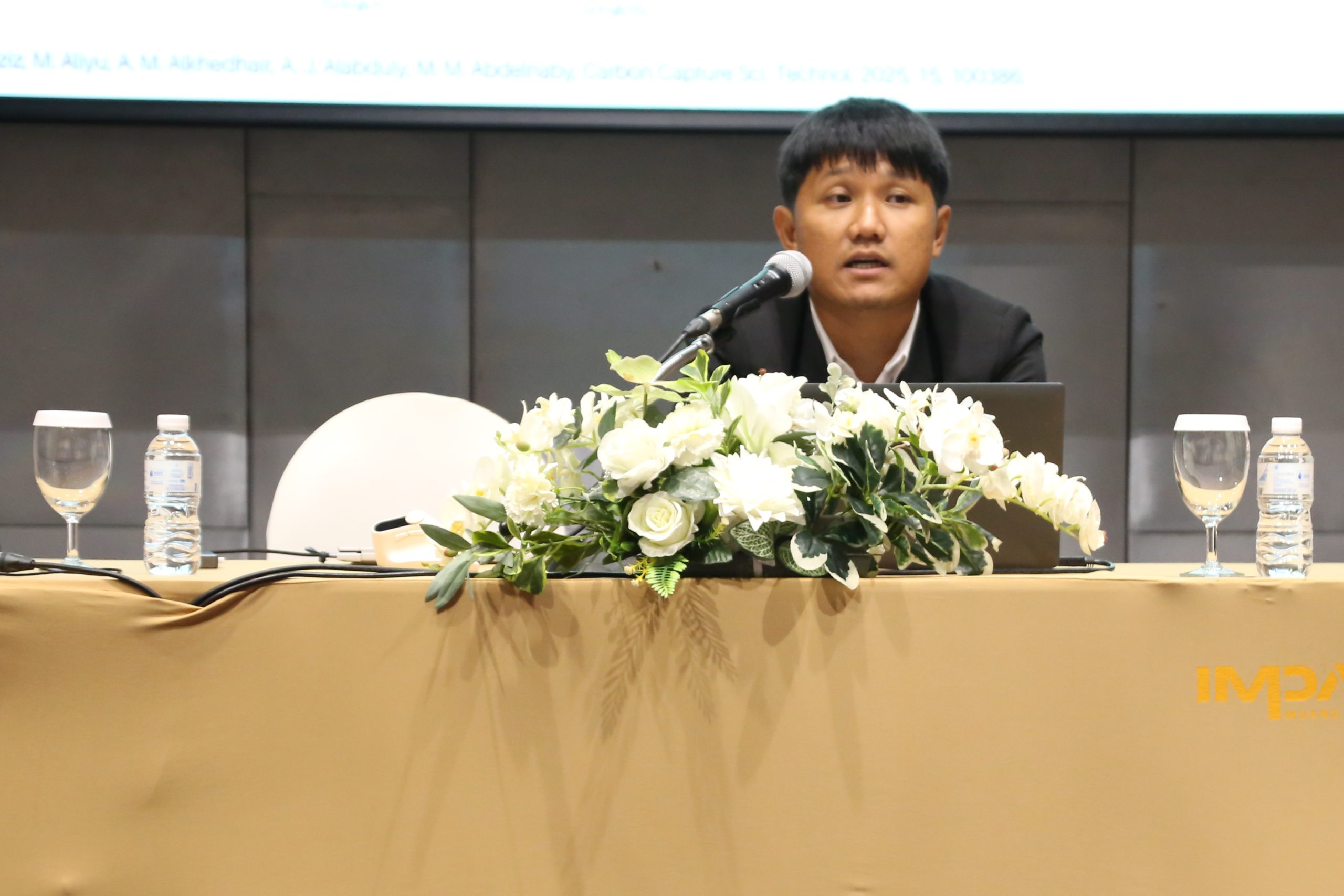
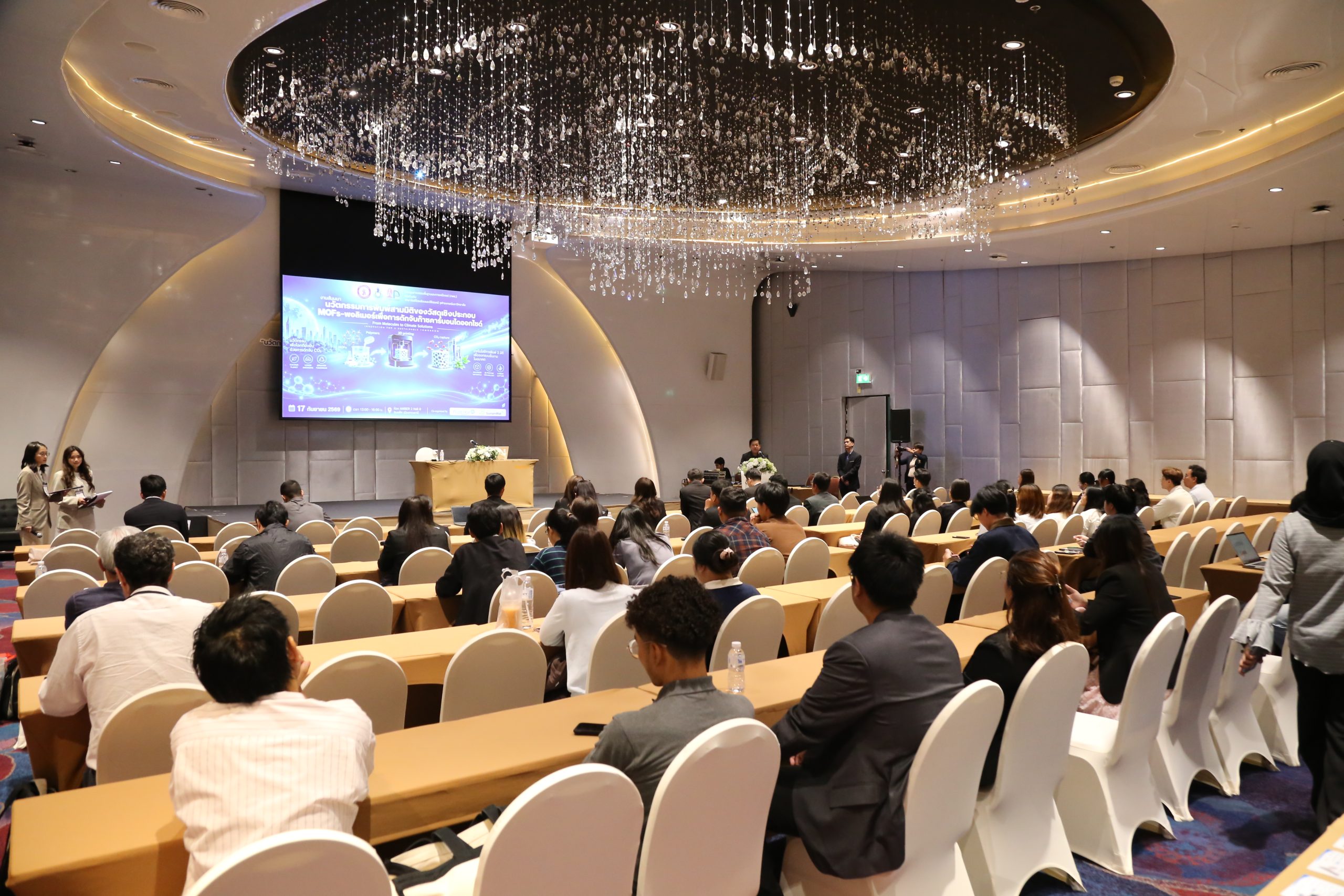
By bringing together MOF chemistry, polymer materials, and 3D printing, the research demonstrates a pathway for designing reusable materials for practical carbon capture applications—connecting materials innovation with the transition toward a more resource-efficient, low-carbon and circular future.

 02 2184141-2
 petromat@chula.ac.th